
How to Choose the Right Water Heater for Your Home
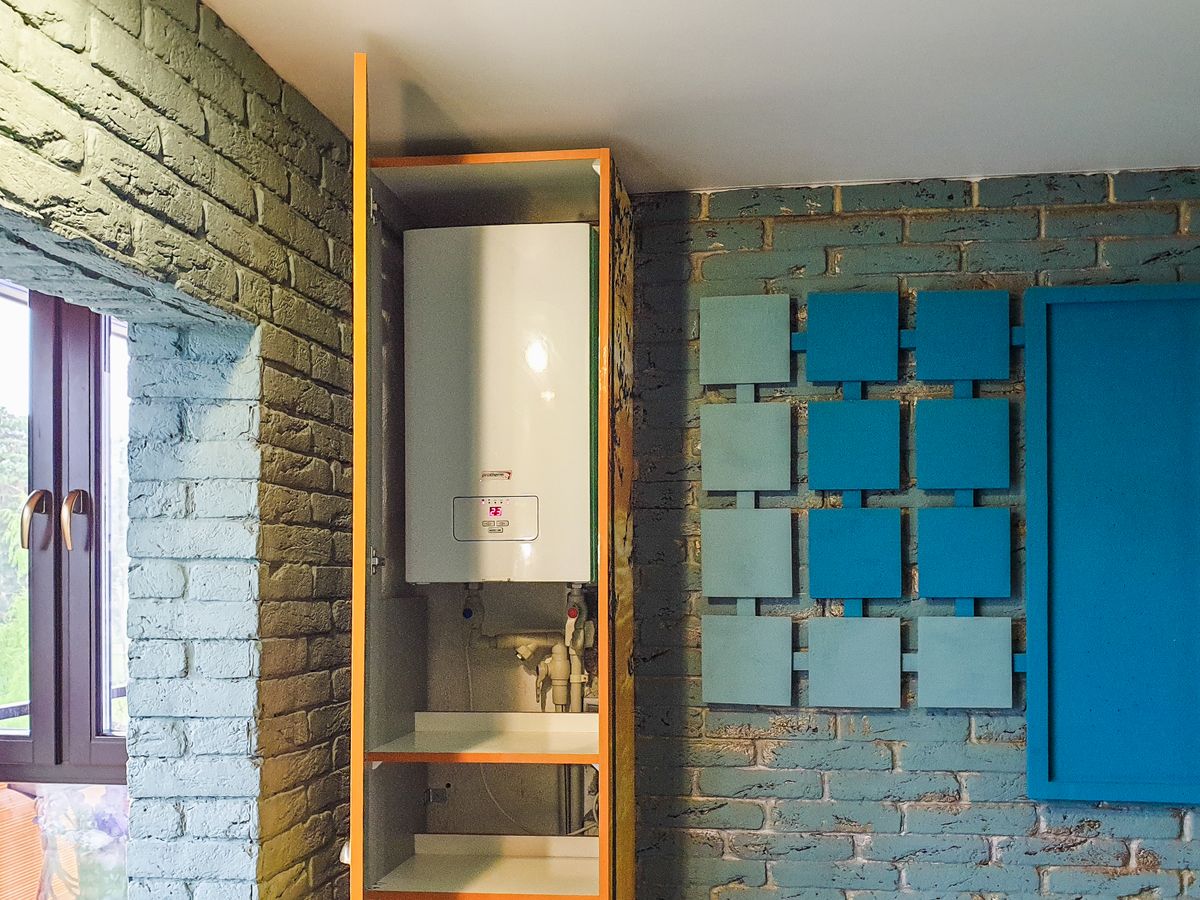
Hot water is one of those home utilities you only notice when it's gone. Whether you're dealing with a failing unit, building a new home, or simply looking to upgrade to something more efficient, choosing the right water heater is a decision that affects your daily comfort, your utility bills, and your wallet for the next 10 to 15 years. Get it right and you'll enjoy reliable hot water at a lower cost. Get it wrong and you'll be left shivering or overpaying every month.
This guide breaks down every major consideration so you can make a confident, well-informed decision — and know exactly what to ask your plumber when it comes time to install.
Tankless vs. Tank: Which Type Is Right for You?
Traditional Tank Water Heaters
Tank water heaters store a large volume of preheated water — typically 40 to 80 gallons — ready to use on demand. They are the most common type in American homes, and for good reason: they're affordable upfront, straightforward to install, and compatible with all fuel types.
- Lower purchase and installation costs ($500–$1,500 installed)
- Simple technology that most plumbers can service
- Available in gas, electric, and hybrid (heat pump) versions
- Shorter lifespan: typically 8–12 years
- Standby heat loss — energy is spent keeping stored water hot even when not in use
Tankless (On-Demand) Water Heaters
Tankless units heat water instantly as it flows through the unit — no storage tank required. They're compact, wall-mounted, and increasingly popular in modern homes.
- Higher upfront cost ($1,500–$3,500 installed), but lower long-term energy bills
- Longer lifespan: 15–20+ years with proper maintenance
- Unlimited hot water — no "running out" mid-shower
- Some models may struggle to supply multiple simultaneous high-demand outlets
- Require periodic descaling in hard-water areas like Dallas
Pro Tip: For most households of 2–4 people with normal usage, a quality tankless unit will pay for itself in energy savings within 5–7 years. For very large families with simultaneous high-demand use (multiple showers at once), consider a larger-capacity tank or dual tankless units.
Gas vs. Electric: Fuel Source Matters
Gas Water Heaters
Natural gas and propane water heaters heat water faster and generally cost less to operate than standard electric models in most U.S. markets. They work during power outages and are typically the better choice if your home already has a gas line.
Electric Water Heaters
Electric tank models are cheaper to purchase and install but typically cost more to run month-to-month. However, heat pump water heaters — which use electricity to move heat rather than generate it — are dramatically more efficient and can cut water heating costs by up to 70% compared to standard electric models.
If your home is all-electric or you're in an area with low electricity rates, a heat pump water heater is worth serious consideration.
Sizing: Getting the Capacity Right
An undersized unit means cold showers. An oversized one means wasted energy heating water you'll never use. Sizing is critical.
- 1–2 people: 30–40 gallon tank or a 6–8 GPM tankless unit
- 3–4 people: 50–60 gallon tank or an 8–10 GPM tankless unit
- 5+ people: 80 gallon tank or a 10+ GPM tankless unit (or dual units)
For tankless heaters, the key figure is "gallons per minute" (GPM) — this is the flow rate the unit can heat to your desired temperature. In North Texas, incoming water temperatures are typically 60–65°F, requiring a temperature rise of about 60°F to reach comfortable shower temperatures.
Energy Efficiency Ratings: What to Look For
Water heaters display a Uniform Energy Factor (UEF) rating — the higher the number, the more efficient the unit. Standard electric tank heaters score around 0.90–0.95. Gas tank units score 0.60–0.70. Tankless gas units reach 0.82–0.96. Heat pump units can score 3.0–4.0, making them by far the most efficient option available.
Pro Tip: Look for ENERGY STAR certified models. Qualifying water heaters meet strict efficiency guidelines set by the U.S. EPA and can help you qualify for federal tax credits of up to $300, plus potential local utility rebates in the Dallas area.
Cost Considerations: Upfront vs. Lifetime
Many homeowners focus only on the sticker price, but the smarter calculation is the total cost of ownership over the unit's lifespan. A $700 tank heater that costs $600/year in energy and lasts 10 years has a 10-year cost of $6,700. A $2,500 tankless unit costing $350/year in energy and lasting 20 years has a 20-year cost of $9,500 — but delivers superior performance and twice the lifespan.
Always ask your Green Plumbin technician to walk you through a full cost comparison before you decide.
When to Replace vs. Repair
As a general rule, if your water heater is:
- More than 10 years old (tank) or 15 years old (tankless)
- Requiring repairs that cost more than 50% of a new unit
- Showing signs of rust, corrosion, or tank leakage
- Consistently underperforming despite servicing
Replacement is almost always the more economical choice. Our team can assess your current unit and give you an honest recommendation — we'll never push a replacement when a repair will do the job.