
5 Signs Your Pipes Need Immediate Attention
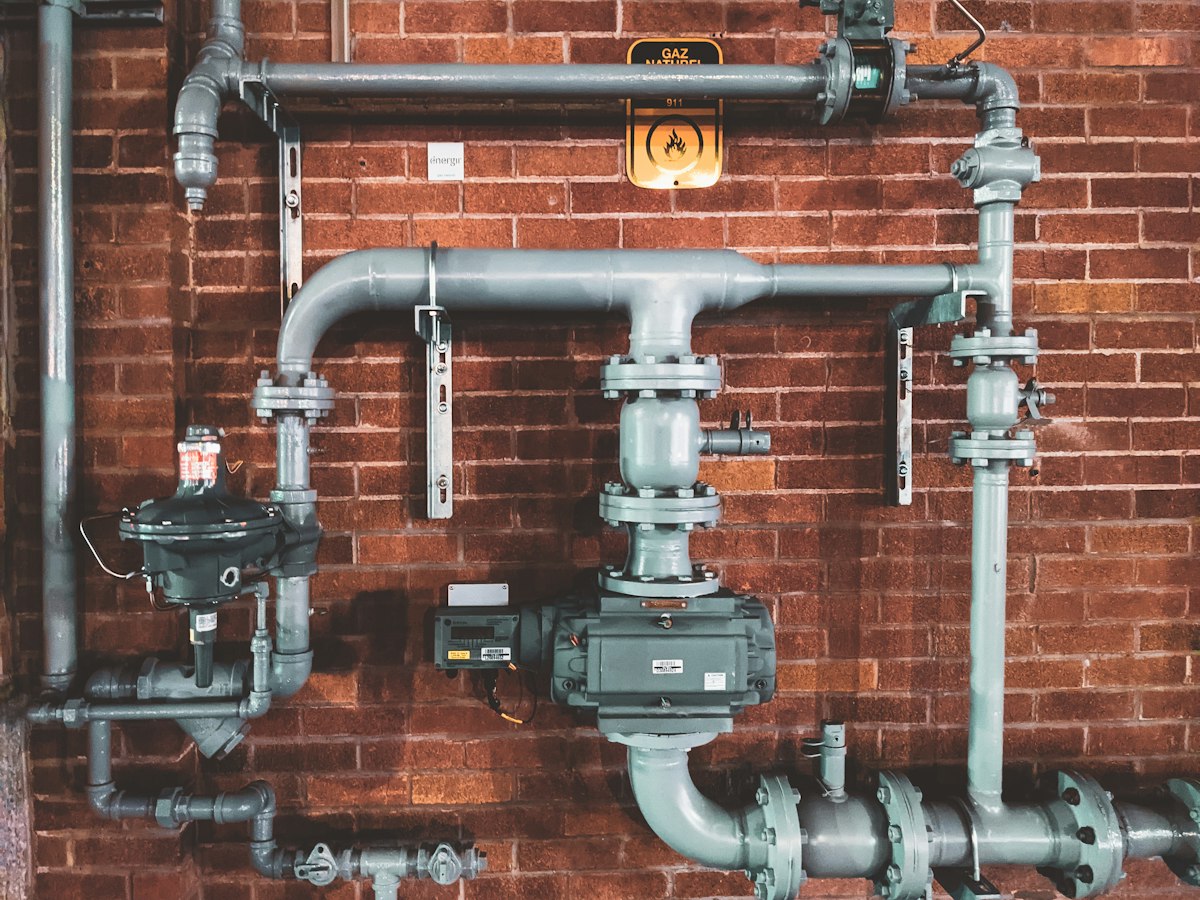
Your home's plumbing system works silently behind the walls, under floors, and beneath your yard — and most homeowners don't think about it until something goes wrong. The problem is that plumbing issues rarely announce themselves dramatically at first. More often, the warning signs are subtle and easy to dismiss. Knowing what to look for can mean the difference between a quick, affordable fix and a full-scale pipe replacement or water damage restoration.
At Green Plumbin, we've seen countless cases where a little early awareness would have saved homeowners thousands of dollars. Here are the five most critical signs that your pipes need professional attention right now.
Sign 1: Consistently Low Water Pressure
What it looks like
You turn on the shower and the water barely trickles out. Your kitchen faucet takes forever to fill a pot. You notice the pressure has gradually dropped over weeks or months — or it dropped suddenly one day and never recovered.
Why it matters
Low water pressure is rarely just an inconvenience. It's a symptom. The most common culprits behind pressure loss include:
- Mineral buildup and scale inside older galvanized pipes narrowing the flow
- A hidden leak somewhere in your supply line sapping pressure
- Corroded or partially blocked pipes reducing flow capacity
- A failing pressure regulator valve at the main line
Pro Tip: Test multiple fixtures. If pressure is low everywhere in the house, the problem is likely at your main supply line or water meter. If it's isolated to one area, the blockage or leak is localized.
Sign 2: Discolored or Rusty Water
What it looks like
Your tap water runs brown, orange, or yellow — especially first thing in the morning or after returning from a trip. Sometimes it clears up after running for a minute, other times it persists.
Why it matters
Discolored water is a strong indicator that your pipes are corroding from the inside. Iron and manganese leaching from aging steel or cast-iron pipes discolors the water supply and can pose health concerns over time. It may also mean your water heater tank is rusting internally — a sign the unit is nearing the end of its lifespan.
While the water may not be immediately dangerous in small quantities, consuming corroded-pipe water long-term is not something you want to risk. If you consistently see rust-colored water, it's time to call a professional.
Sign 3: Strange Noises in the Walls or Pipes
What it looks like
You hear banging, rattling, hissing, gurgling, or a high-pitched squealing sound coming from inside your walls or beneath your floors — especially when you run water, flush the toilet, or turn a tap on or off.
Why it matters
Different sounds tell different stories:
- Banging (water hammer): Pipes slamming against framing due to sudden pressure changes. Can loosen joints over time.
- Gurgling: Often a drain venting problem or partial clog building up in a drain line.
- Hissing: Possible high water pressure or a pressurized leak you can't yet see.
- Squealing: Worn washers or a failing valve that needs immediate replacement.
Pro Tip: Never ignore persistent strange sounds. What starts as an annoying noise often escalates into a leak, a burst pipe, or a sewer backup if left unaddressed.
Sign 4: Slow or Backed-Up Drains Throughout the House
What it looks like
Water drains sluggishly in the sink, bathtub, or shower. Multiple drains in the house are slow at the same time. Or worse — you notice water backing up in one fixture when you use another (e.g., the toilet bubbles when you run the washing machine).
Why it matters
A single slow drain is usually a localized clog — often fixable with a plunger or a drain snake. But when multiple drains throughout the home are slow simultaneously, the problem is almost certainly in the main sewer line. A clogged, damaged, or tree-root-infiltrated sewer line can back raw sewage into your home if ignored.
This is a situation that worsens rapidly. The moment you notice multiple slow drains, gurgling drains, or sewage odors inside the house, treat it as an emergency and call a licensed plumber immediately.
Sign 5: Unexplained Spikes in Your Water Bill
What it looks like
Your monthly water bill jumps significantly — sometimes 20%, 50%, or even double what you normally pay — without any obvious change in your water usage habits.
Why it matters
A hidden leak is the most common reason for an unexplained water bill increase. Even a small, slow leak in a supply line inside your walls or beneath your slab can waste hundreds or thousands of gallons of water per month — all while going completely undetected visually.
- Check your water meter before and after a 2-hour period of no water use. If the reading changes, you have a leak.
- Inspect under sinks and around toilets for moisture or soft flooring.
- Look for unexplained wet spots in your yard, which can indicate a broken underground supply line.
Pro Tip: A slab leak — a leak in pipes running beneath your home's concrete foundation — can go undetected for months while silently undermining your foundation and running up your water bill. Green Plumbin specializes in non-invasive slab leak detection to find and fix these issues before they become catastrophic.
When in Doubt, Call a Professional
Plumbing problems don't resolve themselves. The longer a pipe issue goes unaddressed, the more water damage accumulates, the more mold risk increases, and the more expensive the eventual repair becomes. If you've noticed any of these five warning signs — especially if multiple signs are present at the same time — don't wait.
The team at Green Plumbin is available around the clock for emergency plumbing inspections and repairs throughout the Dallas, TX area. Our certified plumbers use industry-leading diagnostic tools to find the root cause of the problem and fix it right the first time.